Athleisure is a fusion of function and fashion that feels as comfortable as an old sneaker. You don’t have to be particularly athletic to wear athleisure, nor do you have to save it for the weekend: athleisure is commonly worn in everyday life, from running errands to lounging around the house to working from home and even in a casual office environment. Spurred on in part by a wellness movement, athleisure is also driven by comfort and the recognition that dress codes are relaxing.
“The key is creating products that look as good as they perform, so consumers can transition effortlessly from workouts to everyday life without compromising on comfort, quality or aesthetic appeal. This balance drives innovation across fabrics, finishes and garment construction, ensuring athleisure remains both functional and fashion-forward,” said Tami Miller, creative marketing director with LAT Apparel.
“Today’s athleisure buyers expect comfort as the baseline, performance as a requirement, and style as a differentiator,” she added.
Milissa Gibson, director of sales with Lane Seven Apparel, said that the pandemic accelerated the athleisure industry, but it was already happening long beforehand. “Through the evolution of fabrics and style, you’re seeing where it’s acceptable to go out for a night in a hoodie and T-shirt, because it can be so elevated, and we’ve relaxed as a society. Just as denim has become the core staple, sweats and leggings have, too,” she said.

State of the Athleisure Market in 2026
In 2026, athleisure is shaping up to be the “MVP of apparel” right now, as José Miguel García Botello, executive manager at Yazbek USA, put it. “While other blank apparel markets are kind of flatlining, athleisure’s on a solid double-digit growth streak. Think of it as the traditional wardrobe’s cool, comfy cousin that everyone’s adopting. It’s the heavyweight champ of the moment.”
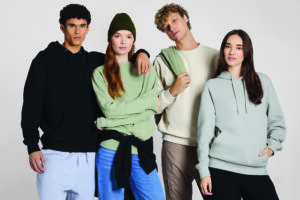
No matter the season, Lane Seven’s Thermal Collection is ideal for layering. Photo courtesy of Lane Seven
“Right now, people want gear that’s comfy like loungewear, slick enough to look good on the street and gym-ready if they suddenly feel like doing squats. Basically, everyone longs for the trifecta: cozy, stylish and a bit sporty,” he said.
Kristen Vincent, senior design and merchandising manager with JERZEES, agreed, saying today’s athleisure market has matured into a permanent lifestyle category, having evolved into a global wardrobe staple driven by shifting consumer priorities around wellness, comfort, and versatility. “Athleisure is now the default for how people dress across work, travel, and social settings.”
Nicolette Dykstra, director of merchandising and product development with Edwards Garment, also agreed the athleisure market is going strong. “Consumers continue to blend work-life with hybrid or remote work with wellness, thus fueling the demand for athleisure apparel and other products. They want apparel that work for exercise, socializing, work and everyday wear,” she said.
Along these same lines, Glen Brumer, sales director at Royal Apparel, noted, “Athleisure is entering 2026 with continued strength, but also with a noticeable evolution of new trends. Consumers are shifting toward elevated lifestyle comfort—pieces that look premium enough for everyday wear but still feel like athletic garments. For decorators, this means a growing need for high-quality, print-friendly, heavier-weight tees and sweats, and sustainable options with real story value.”
The market for athleisure, LAT Apparel’s Miller said, is maturing, with economic pressures making shoppers more value conscious. This, combined with a more competitive landscape, means that standing out as a brand is more important than ever. “The brands that will thrive are the ones that strike the right balance between style and performance, offer clear value, commit to sustainability, and stay agile in response to evolving trends,” she added.
Lifestyle, Culture and Wellness Fuel Athleisure Growth
Many apparel categories are influenced by cultural trends, with athleisure being a prime example of that. Gibson said that music merch is tremendously influencing athleisure styles. “The best example of how much this is happening is when Kendrick Lamar did that Superbowl performance. The takeaway was his pants—he brought back flared pants in 12 minutes,” she said.

The Royal Apparel Unisex Fleece Quarter Zip offers cozy warmth with a modern silhouette that’s ideal for personalization and everyday wear. Photo courtesy of Royal Apparel
Dykstra added that the athleisure trend reflects consumers’ adoption of a wellness lifestyle that extends beyond the gym. “In addition to exercise, we are seeing mindfulness, stress management, the importance of sleep and diet. Products are still being developed with performance, but it is becoming more about long term health and about apparel that works for their professional life as well as how they relax.”
According to Dykstra, the consumer is demanding comfort, style, and performance, and athleisure fits the bill in all three of those categories. But athleisure is also moving toward lifestyle and professional wear, rather than exclusively staying rooted in active wear. Think of an outfit that you can wear for exercise, running errands, work, and even out to dinner, said Dykstra.
Similarly, Miller said there are several consumer trends that are driving growth in athleisure currently. She agreed that an emphasis on health and active lifestyle is important, translating into people looking for comfortable and versatile clothes. But it’s becoming part of daily life.
“While it started with performance in mind, people now want pieces that transition effortlessly from workouts to errands, travel, and casual outings. That’s why we’re seeing elevated silhouettes, refined fabrics, and minimalist designs that fit seamlessly into daily wardrobes. Performance is still at the core, but the category is expanding. The future of athleisure is all about clothes that perform, feel comfortable, and look as good on the street or at work as they do in the gym. It’s a perfect blend of function, style, and versatility,” said Miller.
“Athleisure is definitely sliding into the lifestyle territory, but it’s still keeping one foot in the gym. Think of it as your favorite all-around outfit,” Botello said.
“Breathability and softness remain essential, but innovation is happening in fabric blends,” says Michael Niemann, VP of Product, Next Level Apparel. “There’s growing demand for specialty synthetic blends that replicate the comfort and hand-feel of cotton while delivering enhanced stretch, durability, and movement—key for all-day wear.”
“It’s moving into lifestyle wear and even professional casual,” added Brumer. “Decorators and brands are calling for merchandise that complements streetwear and everyday wardrobes. The lines between active, casual, and fashion is fully blurred.”
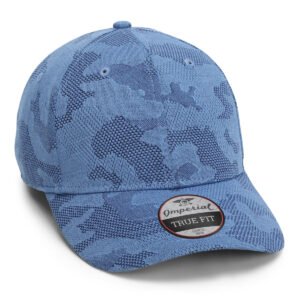
Imperial’s Oglethorpe cap delivers tonal camo texture, athletic structure, and all-day comfort in a versatile, decoration-ready silhouette. Photo courtesy of Sportsman Cap & Bag
Headwear Joins the Athleisure Movement
As for headwear, Max Leonard, brand manager at Sportsman Cap & Bag, said that a wider range of consumers are dipping their toes into the athleisure market, including for those consumers who play golf, tennis and pickleball.
“Lately, these styles have expanded far past the fitness world, gaining traction in everyday wear,” he said. “The fact that athleisure wear is now socially acceptable outside of traditional exercise and fitness venues means that consumers want their headwear to not only provide top-tier performance ability, but also be sleek, stylish, and versatile enough that they do not look out of place when paired with less casual outfits.”
Fits, Styles and Key Athleisure Silhouettes
Again, comfort underlies many design decisions in athleisure. Oversized and relaxed fits are also important in this category, especially in fleece and heavyweight tees, as this goes hand-in-hand with comfort. No one specific weight is dominating, as multiple weights in tees and sweats, from midweight to heavyweights, are trending, reported Brumer. Matching sets are trending, and the new style is quarter zips.
In addition to quarter zips, Vincent not that fleece bottoms are also showing growth currently. Consumer expectations, Vincent said, are for “soft, breathable fabrics, enhanced performance features like stretch and moisture-wicking, and fashion-forward styling that transitions seamlessly across work, wellness, and social settings.”
Though most age groups have been spotted wearing athleisure, Botello said, the primary demographics are young adults and the 30-something crowd, particularly as they want something that works for video conferencing as well as yoga class. Millennials and Gen Z are driven by comfort and style, said Brumer, but this apparel category appeals to eco-conscious shoppers of all ages as well as to the growing ‘work from anywhere’ demographic. “Athleisure has become a universal uniform,” he emphasized.
Miller added that besides younger people, women continue to be the largest segment, but, as the category expands into performance-driven and streetwear-inspired products, men are becoming more visible as buyers in this space.
“Silhouette is increasingly central to athleisure design,” says Niemann. “Consumers are gravitating toward pieces that feel intentional and styled, not just utilitarian. This shift elevates basics into wardrobe anchors, making fit, drape, and structure just as important as performance features.”
Materials, Performance Fabrics and Sustainability
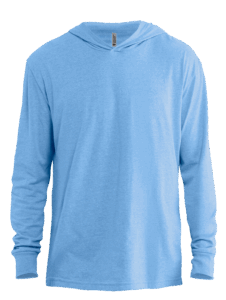
Long-sleeve hoodies are emerging as a defining athleisure silhouette, worn both as standalone pieces and as versatile base layers. Photo courtesy of Next Level Apparel
In nearly every apparel category, there remains a demand for sustainable and eco-friendly materials, and athleisure is no exception. What is trending, said Dykstra, are fabrics that incorporate thermal regulation, those that are microbial and biodegradable, as well as circular fabrics.
Beyond that, the goal for some manufacturers is to balance fashion-forward design with technical performance. To do this, manufacturers continue to focus on the fabrics they work with by creating textiles that feel technical but appear lifestyle. “The biggest shift is designing pieces that look fashion-first while keeping durability and comfort in the yarn and construction,” said Brumer.
“Soft, lightweight fabrics continue to define modern athleisure,” Niemann says. “Comfort is no longer a secondary benefit; it’s a core expectation. Consumers want pieces that move effortlessly with the body while maintaining a premium, polished feel. At Next Level Apparel, many of our garments are crafted from premium combed ring-spun cotton, which delivers a smoother hand feel, improved drape, and long-lasting durability. The combing and ring-spinning process creates a refined yarn that feels soft against the skin while offering the strength and flexibility needed for all-day wear.”
With respect to headwear, Leonard said that laser-cut/perforated mesh has become a very popular choice, a trend that he predicts will only continue to become more prominent in the athleisure market. “With the acceptance of athleisure wear in settings outside the gym, it has become normalized to wear this type of hat away from the gym, tennis court, or golf course. Performance headwear styles that were once prominent only in pro shops, team shops, and sporting goods stores are making their way into boutiques, restaurants, breweries, and bars as branded merchandise,” Leonard said.

Reliability meets print-ready performance with the JERZEES Ultimate CVC Ring-Spun Sweatshirt and Ultimate CVC Ring-Spun Pocketed Jogger Sweatpants. Photo courtesy of JERZEES
Athleisure Colors and Aesthetic Trends
For 2026, Royal Apparel said it will be expanding deeper into organic cotton and cotton blends; recycled poly made from plastic bottles; heavier-weight combed ring-spun cotton; and will continue manufacturing their premium sustainable blends, which include tri-blends with modal and bamboo viscose.
“These fabrications remain extremely popular with decorators because they offer excellent print surfaces, rich hand feel, and strong sustainability stories,” Brumer said, adding that sustainability is at the core of his company’s brand. “For decorators, sustainability is no longer just a ‘nice to have.’ It’s become a purchase factor, especially for retail merch brands.”
Along these same lines, JERZEES has come out with what it calls its Ultimate Fleece, an ultra-soft, mid-weight fabric that features moisture-wicking, wrinkle resistance, and a dynamic color range. The company also offers JERZEES ECO Premium Blend Fleece, made from fully recycled polyester. “Each garment saves six plastic water bottles from entering the landfill,” said Vincent.
Similarly, LAT Apparel will be offering a number of new fabric choices for 2026, including sustainable bamboo materials and the softest vintage wash fabrication it has ever produced. The company’s signature Snap Tape technology will be present in its brand Rabbit Skins, designed for infants and toddlers. In general, Miller said that athleisure product categories showing the strongest growth include leggings and yoga pants; joggers and sweatpants; tops and T-shirts; hoodies and sweatshirts; sports bras and athletic tops; athleisure footwear and sneakers.
Yet another example of an athleisure hybrid is Lane Seven’s Nantucket fleece. “It’s a sweater knit but has a cozy fleece interior. It looks polished but feels really relaxed, giving it that perfect blend,” said Gibson.
Fit, Functional Features and Aesthetic Appeal
Again, whether its cut or materials, the lines between function and aesthetics continue to become fuzzier in the athleisure space, with customers still seeking such features as moisture-wicking and odor control and technical performance but with an aesthetic appeal. In general, said Botello, it’s a balancing act between style, comfort, and durability. That said, in Brumer’s opinion, aesthetic appeal is more important, with consumers looking for modern and relaxed fits, weightier fabrics, and cleaner silhouettes.

Stay dry and stay seen as the ECOREFLECT Rain Jacket combines weather-defying performance with reflective safety features for all-day comfort. Photo courtesy of Edwards Garment
“Gen Z is shifting away from yoga pants, going toward a little more of a relaxed fit; they don’t want anything skin tight. That is the next biggest evolution in athleisure,” agreed Gibson. She added that customers are craving texture and details, whether in the rib of the neckline or the texture of the garment. “On the performance side, the polyfabrics are getting softer.”
According to Dykstra, no one color dominates this category, as basically all colors are going to be popular. Still, she emphasized a growing trend in warm neutrals, soft browns, deep blues, and deep reds and burgundy. In this same vein, Brumer pointed to earthy tones like khaki, army, walnut, sand and bark; rich neutrals like natural, nickel and charcoal; pigment and garment-dye inspired palettes, with classic black and white continuing to dominate fleece and heavyweight tees.
For their part Botello said, “Pastels are in, and so are those dark, almost grayish tones. It’s all about that low-key vibe,” while Gibson said that deep moody colors, like dark purples, are trending, while matcha green is hot now.
Meanwhile, Earthy neutrals, smoky teals, muted pastels and deep jewel tones with bold accents for statement will be prominent, at least on LAT Apparel’s color palettes.
“Driven by a consumer desire for stability, nature-inspired tones like Golden Pecan, Sweet Cream Heather, and Sage remain strong into 2026. Meanwhile, brighter shades like Celery Juice and Breezy Blue reflect a shift toward bold, optimistic and healing properties,” said Vincent.
Not surprisingly, colors run the gamut in headwear as well, with Leonard saying that while basic black, white and gray remain staples, there is an upswing in more unique colors, like purple and pink pastels, neutral khaki and stone, as well as maroon, navy and green.
The Future of Athleisure
Looking ahead, Dykstra said, “Athleisure wear is here to stay for a while. It will continue to grow. Now that we are incorporating comfortable features and styles into our closets, we do not want to go back.”
As for Brumer, he also said he expects continued steady growth, especially in the more premium tiers. Specifically, he said the strongest growth in 2026 will be seen in the following categories: heavyweight and mid-weight fleece; heavyweight tees; relaxed-fit joggers and lounge bottoms; oversized hoodies and crews; sustainable blends; quarter zip sweatshirts; and garment dye tees and fleece. “Athleisure will become more about daily uniformity, comfort and elevated styles. Demand for comfort-driven lifestyle apparel is now permanently embedded in consumer behavior.”

Yazbek USA Women’s V-Neck Short Sleeve Silhouette T-Shirt is a soft-hand tee with a sleek v-neck. Photo courtesy of Yazbek USA
For her part Vincent said, “The next phase of athleisure will be defined by hybrid designs, smart and continued momentum in sustainable materials, and a consumer mindset that prioritizes wellness, ethical production, and seamless transitions between performance and lifestyle.”
Similarly, Botello said polo-style shirts are making a comeback, along with long-sleeve tees, leggings, and comfy men’s shorts and pants. “Expect the styles to keep evolving, fabrics to keep getting comfier, and the industry to keep innovating. It’s still growing in 2026 and might slow down a bit after that, but it’s not going anywhere.”
Finally, Leonard again emphasized the fact that several factors will influence the future of athleisure when it comes to headwear, including the increased demand for transparency and sustainability and innovative technology that continues to evolve like UV protection and temperature regulation. “In the future, we will most likely start seeing ‘smart fabrics’ embedded with sensors to monitor health metrics,” said Leonard, adding that in general, the athleisure market will continue to see growth in the years to come.
“By 2026 and beyond, athleisure will be defined by versatility, technology, and values-driven design. Styles will blend performance with elevated, everyday-ready silhouettes, while advanced fabrics—moisture-wicking and sustainable—will deliver comfort and function. Consumers will expect eco-friendly materials, ethical sourcing, and inclusive sizing, making apparel that works seamlessly from workouts to work-from-home and social settings the new standard,” said Miller.
Hilary Daninhirsch is an award-winning freelance writer based in Pittsburgh. Her work has been featured in a number of lifestyle and trade magazines. She can be reached at [email protected] or hilarydaninhirsch.journoportfolio.com.