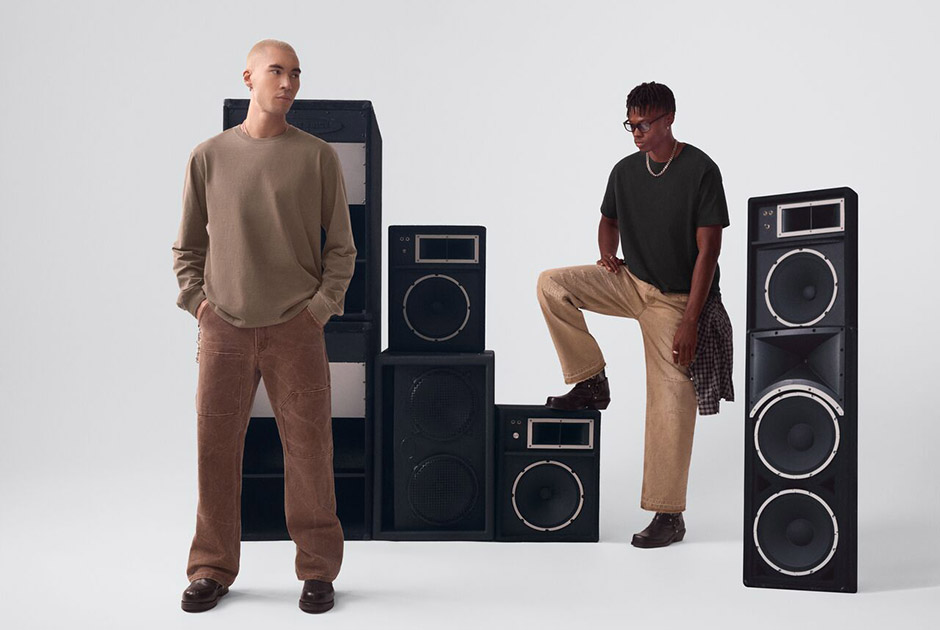
The New Year brings many things: a chance to start fresh, a few abandoned resolutions and, in 2026, heightened expectations of the “basic” T-shirt. Consumers will demand quality, value, longevity and versatility as the standard, not the exception.
The blank-canvas T-shirt of old will give way to a balance of fit, feel and origin. Clear and predictable sizing will clarify the fit, while consistent color retention and durability in soft, stable materials accent the perfect feel. A low environmental impact will dictate transparency in fabric and product origin.
Customers are growing increasingly weary of T-shirts that don’t stand up to the test of time, says Ryan Zaczynski, cofounder, Toasty Hemp Co., summing up the state of the market.
“Prices keep going up, but the general sentiment is that quality and value have gone down,” Zaczynski said. “At Toasty, our hemp T-shirts have always been priced at a bit of a premium as compared to a standard cotton or polyblend garment. But, when you feel them, you immediately understand the quality and value. That value is reinforced when you’re still wearing our products after years of washes.”

Minimalist T-Shirt Trends 2026: Clean Construction and Sustainable Design
While it may be true many T-shirt characteristics are seemingly here to stay, others have diminished in importance or gone away entirely. The call for thin, flimsily constructed economy blanks, for example, is fading, as are heavyweight garments, excessive novelty hardware and gimmicky trims.
“Heavyweight tees have reached their peak,” says Victoria Thomas, senior director of marketing, Bella+Canvas. “While they will continue to be popular, emerging trends are moving away from this look.”

The classic Hanes Beefy-T stands strong with heavyweight softness and a timeless silhouette, offering dependable comfort and durability for everyday wear. Photo courtesy of HanesBrands
Today’s consumers also prefer clean construction for more versatility in lieu of low-quality T-shirts that fade, pill and shrink. Another consumer focus will be on the manufacturing process and environmental impact.
“The textile manufacturing process relies heavily on water, energy and raw materials,” says Timothy Heljenek, senior marketing manager, Hanesbrands. “Creating a T-shirt that is only focused on the latest trend could result in the product only being worn a few times before being considered out of style. This could lead to unpurchased stock due to overproduction, and many of these T-shirts ending up in a landfill, creating more waste and pollution.”
To this end, manufacturers continue to promote sustainable features and manufacturing practices through material choices, controlled practices and intentionally responsible methods in what Lane Seven Apparel, for example, describes as a full-circle process.
“Our vertically integrated factory network gives us visibility and control from start to finish,” says Alexis Shubin, director of marketing, Lane Seven. “We can make sure sustainability isn’t just a promise, but a practice. From responsibly sourced cotton and recycled materials to water-saving technologies, renewable energy, and fair labor practices, every step is taken with intention.”
How Millennials Are Driving Sustainable T-Shirt Manufacturing
Without a doubt, Millennials influence changes in manufacturing significantly. It’s a demographic that tends to base purchasing decisions on a brand’s authenticity, eco-consciousness and product quality, which means products and brands can easily fall out of favor with these consumers, if they aren’t careful.
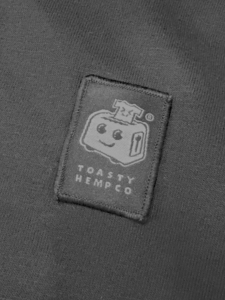
A close-up of Toasty Hemp Co.’s signature woven patch featuring its playful toaster mascot, showcasing the brand’s bold, graphic identity on premium apparel. Photo courtesy of Toasty Hemp Co.
Making false claims or resisting sustainable business practices, for example, could turn off Millennials. This includes how the manufacturing of products is approached as well as how employees and the surrounding communities are treated.
Millennials also grew up during the fast-fashion boom, so they recognize “disposable” clothing and move intentionally away from it, making them a catalyst for change in wanting more transparency and responsible manufacturing practices. In fact, some states have begun creating and passing laws that are aimed at reducing textile waste and minimizing the impact that clothes have on the environment at the end of a lifecycle.
“This is not simply a trend, but a full-blown movement that’s reaching every corner of the globe,” Heljenek says. “Manufacturers will need to adjust and adapt to stay compliant with these ever-changing laws and relevant with consumers. The failure to do so may lead to heavy fines and the loss of a customer base.”
Along these same lines, because the printwear market is constantly changing with respect to the technologies available to embellishers, manufacturers have adjusted the construction and design of their T-shirts to adapt to these changes as well.
For instance, although popular for many decades, garment-dyed apparel has always been a printing challenge, due to dye migration from the dye process. Hanes subsequently met this challenge in 2017 by developing ComfortWash, a garment-dyed apparel brand that addressed many of the common printing challenges. Its unique dye process allows printers to spot clean any mistakes without damaging the T-shirt, alleviating the fear of artwork being ruined by dye migration.
AI in Apparel Manufacturing and Inventory Planning
Another emergent technology affecting T-shirt manufacturing is the implementation in AI tools.
“AI technology is being used in trend forecasting, design and inventory,” says Stephanie Anzalone, director of merchandising and design, LAT Apparel. “AI is taking the guesswork out of what we make, when we make it and how we plan.”
With this in mind, Anzalone says, “From a LAT perspective, expect styles that are versatile in their end-use…Refined design details will elevate silhouettes from their competitors, and premium fabrics will provide durability with the printer and end-user in mind.”
Color Trends for T-Shirts in 2026: Earth Tones and Saturated Blues

Bright, breezy, and beach-ready, LAT Apparel’s soft short-sleeve tee delivers lightweight comfort for warm-weather adventures. Photo courtesy of LAT Apparel
Color will play a significant role in maintaining the relevance of a T-shirt as well, as it can deeply influence a person’s emotion and confidence while it’s worn. Vibrant hues will evoke feelings of energy and positivity, while muted tones will offer a sense of calm and sophistication.
“When a T-shirt’s color resonates with current fashion trends or aligns with an individual’s personal style, it enhances the wearer’s confidence and connection to the garment,” says Heljenek. “Look for neutrals to remain popular, but with a greater focus on earth tones, such as autumn golds and red-based browns. These neutral, earth-inspired colors can help people feel a connection to the outdoors. Bright, saturated blues will stay important, as well as softer pastels in the blue-lavender category. Each can create a sense of familiarity as well as a calming and restorative attitude.”
To be sure, color palettes will continue to be inspired by nature and earthy tones, such as deep burgundy, shades of browns, and versatile neutrals (think whites, creams and shades of grey). These bold, yet grounded, hues reflect a growing desire for consistency, sustainability and a deeper connection to the natural world. Conversely, varsity, university and collegiate color schemes are still holding strong in trends, says Thomas, Bella+Canvas.
Oversized and Relaxed Fit T-Shirts: 2026 Silhouette Trends
Along these same lines, silhouettes for both men and women will be relaxed and oversized, with clean, minimalist design details. For men, in particular, silhouettes will lean into architectural shapes that are comfortable without being shapeless. Expect T-shirts that are slightly shorter in length, but heavier in weight, offering a more refined look.
Henleys and textured knits will also have a strong presence, worn both on their own and as layering pieces. Overall, everything will be slightly elevated, from the fabric to refined proportions in hems and sleeves and thoughtful design, such as wider rib collars.
“Classic silhouettes will remain popular through 2026 for all genders, but many will be looking for updates in areas such as fit and color,” says Heljenek. “As fast-fashion falls out of favor with consumers who are more eco-focused in their apparel selections, classic silhouettes that never go out of style will remain strong, with their updates coming from different fabric weights, fits and hues.”

The LS16005 unisex tee pairs easygoing silhouettes with rich, garment-dyed colorways like Sand Shell and Forest Green perfect for elevated basics and everyday branding. Photo courtesy of Lane Seven
Millennials will also continue to look back to the ’90s for inspiration, which means that at least some heavier weight fabrics and loose-fitting garments will continue to show up, as influenced by the retro streetwear trend. Unisex and gender-neutral designs and shades will remain important, as many are considered as seasonless and can be worn at any time of the year.
Customers will continue to demand an oversized, boxy fit,” says Toasty Hemp cofounder Suzy Zaczynski. “We predict this silhouette to continue trending within the next year for men, women and youths. When it comes to the classic t-shirt, we anticipate that people will still lean toward looks that flatter their bodies, including tailored, sculpted and cropped designs.”
On the other hand, Bella+Canvas’ Thomas, asserts that the pendulum invariably swings in fashion, and we will see T-shirts return to slimmer and smaller fits. She adds that natural fibers have been the key shift in fabrications, as we have seen a broad scale when it comes to hand and feel: some dry and some softened with a silicone treatment.
Bottom line: innovations in T-shirt manufacturing simply never stops, as evidenced by LAT Apparel’s assessment of a “lived-in” fabric movement.
“The race to innovate in fabrications has never been more active,” says LAT’s Anzalone. “There’s a clear movement toward fabrics that feel lived in from day one. Garment-dye and enzyme-wash finishes are creating vintage softness and tonal depth. Even heavier weights, such as 6 ounces to 7 ounces, are gaining traction as structured, retail-quality basics.”
Heljenek agrees, noting how manufacturers and product developers continue to look for new fabrics and fresh ways to produce apparel. Whether it’s an update to a well-known fabric or something that’s completely unique and innovative, companies are always searching for advancements in the manufacturing process or innovations that lean into improved sustainability practices.
“One example in the well-known 50-percent cotton/50-percent polyester blended jersey T-shirt category is the introduction of Hanes EcoSmart polyester,” Heljenek says. “Hanes EcoSmart polyester is a new technology to our industry that allows synthetic, plastic-based fibers to behave more like natural fibers, once they are in a landfill, as compared to untreated polyester. Because this innovative solution significantly accelerates the breakdown of plastic fibers in the soil and sea, ultimately, it is reducing microplastic waste in the environment.”
In this seem vein, keep an eye out for an increase in products using recycled cotton, and fabrics and dyes that incorporate new sources of plant material. Such materials include pineapple leaves, banana leaves, marigold flowers and even walnuts.
“Some of these materials are still in the early stages of mass industrialization, so costs and scalability may keep them out of reach for many consumes right now,” Heljenek says. “However, the exploration of more eco-sustainable resources for our clothes will continue to drive innovation.”
Marketing Sustainable T-Shirts Through Storytelling and Brand Community
In terms of marketing, social media continue to be an integral part of any company’s success in this area. By way of example, Lane Seven recently launched “Meet the Innovator,” a series celebrating the artists, makers and doers who use the company to build something bigger than a brand.
“We believe that when you create, whether it’s a T-shirt, a statement or a community, you’re propelling the creativity of the future, and that deserves to be celebrated,” says Shubin. “There are so many incredible people using our blanks to do meaningful, inspiring work. Through Meet the Innovator, we’re telling their stories, because when you share community, you build community. And, really, what’s more meaningful than that?”
Shubin adds true brand allegiance comes from connection and the ability to bring people together in a meaningful way. With this in mind, Lane Seven has also launched a Substack channel is described as a space where expert apparel insights can be shared, along with highlights of what is shaping the industry.
“DTC brands and marketplaces are saturated with options for customers,” agrees Toasty Hemp’s Suzy Zaczynski. “This makes it harder for companies like ours to stand out among the competition. It’s critical to define ourselves, tell our story, and make ourselves known through multiple channels.”
That said, while social media remains a significant factor in terms of exposure for emerging brands, a mix of strategic partnerships, collaborations, and cross-promotion of brands lead to the most successful exposure rates.
Jennifer Morrell Todd is an award-winning writer who has written for a number of national consumer and trade publications. For more information or to comment on this article, email Jennifer at [email protected].