If you’ve ever driven a car, chances are you’ve experienced the unsettling feel of a flat tire. When that happens, you slow down, pull over and fix the issue—because you know running on low pressure compromises performance and control.
When it comes to screen printing, though, when our mesh tension drops, we often do the opposite. We keep printing, pushing harder, running faster and hoping for the best. The truth is loose mesh affects your print quality and speed just as dramatically as low tire pressure affects your driving.
The benefits of tight mesh can only truly be appreciated through experience. Watching a tutorial or listening to a podcast won’t convey the difference—you must feel it. Once you print with proper tension, the difference is night and day: sharper details, cleaner edges, faster production and, ultimately, higher profits.
Why Tight Mesh Improves Screen-Printing Quality and Speed
To be honest, though I now use the best re-tensionable screens money can buy, printing 65-line halftones on dark shirts with thin-thread mesh and carefully measuring newtons, I can’t help but remember how it all began.

Back in the early ‘80s, I stretched mesh onto frames the old-fashioned way, sitting cross-legged on a cold concrete floor.
I used white cotton clothesline string soaking in a tub of water, ready to expand. The wooden frames came in interlocking pieces, and I hammered in zig-zag nails at the corners. Each frame had a slot running down its length into which I would pound the wet string with the mesh underneath. As the string and mesh dried, they would shrink and tighten just enough to print.
At the time that was all I knew. We were printing four-color process designs on canvas shopping bags, and I remember feeling an immense sense of accomplishment. Our setup was as homemade as it gets: a dryer built from fencing material and a heating panel wired straight into the house circuit that tripped all day.
The four-color manual press barely held registration, and I would often use my belly to nudge the screens into place. It was easier to become part of the press than spend the day fighting it. Those days taught me adaptability. They have also allowed me to appreciate just how far mesh tension technology has come.
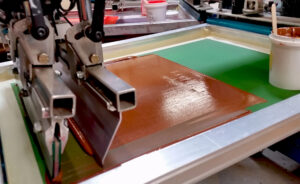
A properly tensioned screen allows for smooth, even ink flooding, reducing effort while improving consistency across every print stroke. Photo courtesy of International Coatings.
Understanding Mesh Tension in Screen Printing
Mesh tension refers to how tightly the threads are stretched across your screen frame and is measured in newtons per centimeter (N/cm). This tension dictates how the mesh reacts when the squeegee moves across it.
Think of tight mesh as being like a trampoline; it rebounds cleanly and predictably. Loose mesh, on the other hand, behaves like a sagging hammock that absorbs energy, distorts and leaves you fighting for control.
Proper tension ensures that ink transfers evenly and the screen snaps cleanly away from the garment after each stroke, providing improved speed, consistency and control. Loose mesh, on the other hand, introduces chaos at every turn.
How Loose Mesh Impacts Registration, Ink Transfer, and Production Efficiency
From a process standpoint, loose mesh doesn’t just cause soft or blurry prints, it slows production, increases operator fatigue, and wastes ink. To compensate, printers apply more pressure or add extra print strokes, which leads to inconsistent ink deposits, longer flash times and misregistration. You’re bleeding cash.
Over time, those inefficiencies pile up. Each extra second per shirt adds up to minutes per job and hours per week. In the same way driving on underinflated tires shortens their life, printing with loose mesh also reduces the lifespan of your screens, squeegees and emulsion.
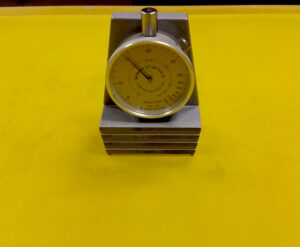
A tension meter measures mesh tension in newtons per centimeter, helping printers maintain consistency and identify screens below optimal performance levels. Photo courtesy of International Coatings.
The Production Benefits of High-Tension Screens
When you commit to tight, uniform screens, every part of your operation improves:
• Sharper, cleaner prints – Tight mesh creates a crisp gasket and defined edges.
• Better registration – Uniform tension keeps multicolor prints aligned.
• Consistent ink deposit – The screen snaps off cleanly, preventing smearing and buildup.
• Faster production – Reduced off-contact and lower squeegee pressure speed up printing.
• Higher ROI – Fewer reprints, less downtime, and superior quality all translate to profit.
Experienced printers often describe the first print off a tight screen as “buttery” or “effortless.” Once you feel it, you’ll never settle for less.
How to Measure and Maintain Proper Mesh Tension
A tension meter is an essential tool for any serious print shop. For most textile applications, screens “should” read between 25–35 N/cm (approximately 14–20 t/in), depending on mesh count and frame type. What matters most is uniformity—screens used on the same job should all fall within a few newtons of each other. In reality, having screens in the upper teens or low 20s is far better than most shops even try to accomplish.
Re-tensionable frames allow you to maintain ideal tension over time. They may cost more upfront, but they save money in remeshing, reducing rejects, and providing long-term consistency.
Pro Tip: Record your mesh tension readings in a simple log. Tracking values over time helps you spot when screens start to drift below performance standards.
Again, properly tensioned screens make everything easier. You can print faster, with less pressure and achieve better coverage all while reducing wear on your wrists and/or equipment. Tight mesh ensures that after the squeegee stroke, the mesh snaps back immediately, leaving a clean ink film behind. The result? A print that looks sharper, flashes faster and cures cleaner.
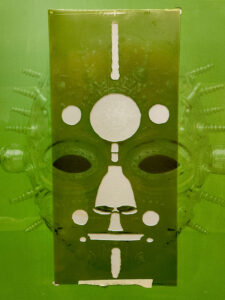
Precision stencil work starts with properly tensioned mesh, allowing for accurate exposure and reliable ink transfer throughout production. Photo courtesy of International Coatings.
Choosing the Right Mesh for Textile Screen Printing
Note: not every mesh on the market is designed specifically for textile screen printing. Some meshes are engineered for our industry. They are built to stretch tight, withstand ongoing squeegee pressure and maintain tension over time, while others originated as general filtration media and simply happen to also work for screen printing. The difference matters!
Mesh intended for professional printing environments is manufactured to precise tolerances, durability standards and repeatable performance. Lower grade mesh may not hold tension as well, can relax faster, and may even fail prematurely under production stress.
In other words: don’t buy mesh based on price alone. Unlike fuel at a gas station, where octane and quality are regulated, no one is policing the consistency or performance of the mesh you buy. That responsibility falls on you and your supplier.
Here’s the reality: many printers these days don’t actually know the kind of mesh that is in the screens they are using. They don’t who it was purchased it from, who manufactured it or to what exact specification.
Some mesh manufacturers offer multiple versions of the same mesh count (for example, four different options in a 100 or 120 mesh), each with its own thread diameter, strength and performance characteristics. Which would you choose? The cheapest? Or the one that prints cleaner, holds tension longer and makes you more productive?
Knowing your mesh, and choosing the right quality level, plays a direct role in tension stability, print clarity, speed and profitability.
Common Mesh Tension Mistakes Screen Printers Should Avoid
Even seasoned printers make tension-related missteps. Some of the most common include:
• Mixing screens with different tension levels in one job.
• Skipping tension checks before coating or exposing screens.
• Overstretching mesh, which leads to premature tearing.
• Storing screens in humid conditions, which relaxes the mesh.
Always flick your screen before coating—it should sound like a tight drum, not a dull thud. Consistency is key. After time, you will train your ear for what a properly stretched screen should sound like.

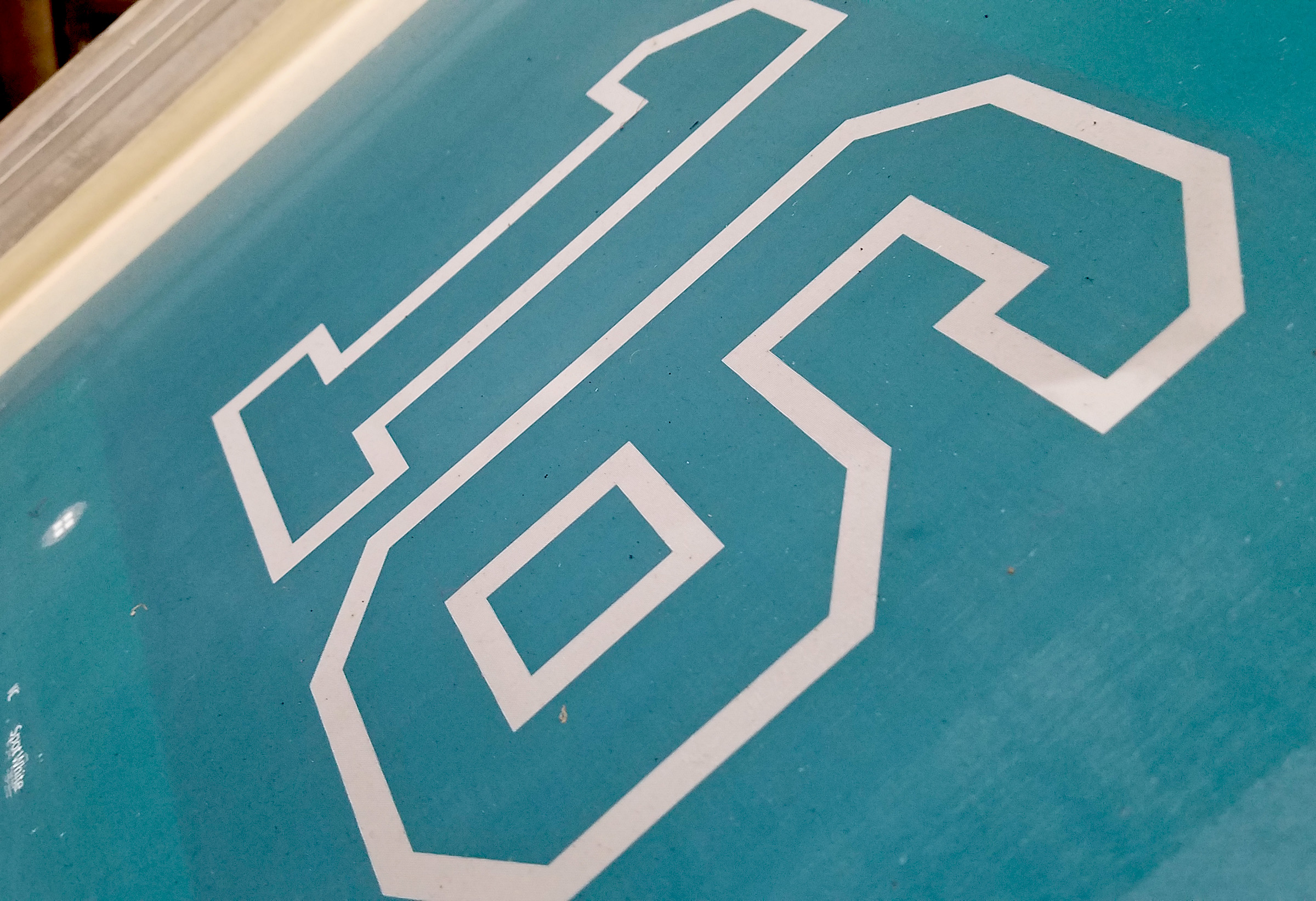
High-tension mesh delivers crisp detail and clean edges, even on intricate designs, ensuring a professional, retail-quality finish. Photo courtesy of International Coatings.
Why Mesh Tension Should Be Part of Your Profit Strategy
Again, maintaining tight mesh isn’t just about better prints, it’s about running a smoother, more profitable shop. Keep a rotation of properly tensioned screens ready for production. Replace or re-tension those that fall below your minimum standard.
Consider mesh tension a part of your profit strategy, not a maintenance chore. It directly affects print speed, ink consumption, and rework rates, which are all critical factors in ROI.
Loose mesh might seem harmless, but it quietly sabotages quality and consistency. Once you experience the precision, speed, and clarity of printing with tight screens, you’ll never go back.
Tight mesh means faster prints, cleaner edges, less effort, and higher profits. So next time your screens sound flat instead of snappy – pull over, stop, and fix the problem. Your prints (and your business) will thank you.
Kieth Stevens has been in the screen-printing industry for almost five decades and is passionate about helping printers achieve consistent, professional results. He regularly contributes educational content on screen printing fundamentals, process improvement, and print profitability.