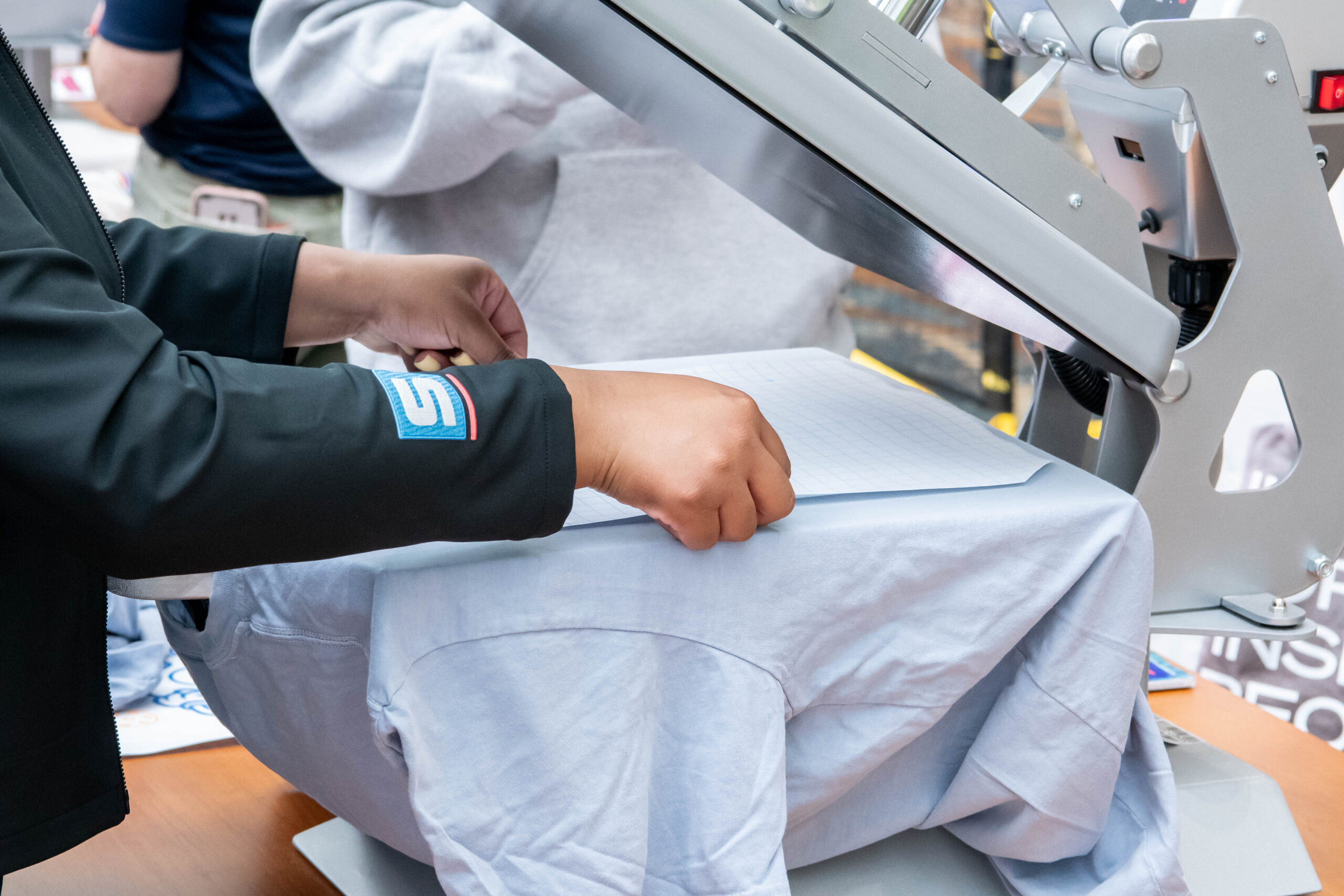
Offering choices—not discounts—can increase sales, improve margins and position your shop as a trusted advisor
A Good, Better, Best strategy makes it possible for customers to better understand the decorating process as a whole
For most apparel decorators, hearing a customer say, “That’s more than we wanted to spend,” signals the beginning of a negotiation. The instinct is understandable. Maybe you remove a print location, swap to a less expensive garment or trim your margin just enough to save the order.
The problem is that discounting solves today’s problem without addressing tomorrow’s expectations. Customers who receive one discount will often expect another and another. Over time those repeated concessions add up to thinner margins and a business that has to work harder just to maintain profitability.
Fortunately, there is another way. Instead of lowering your price, change the buying experience.

One of the most effective sales techniques decorators can borrow from retail merchandising is the “Good, Better, Best” strategy. Rather than presenting a customer with one quote and hoping it fits their budget, you present three thoughtfully designed solutions that achieve the same goal at different levels. Instead of debating price, the conversation shifts to choosing the option that best fits their needs. It’s a simple change, but one that can fundamentally transform the way customers buy custom apparel.
Beyond Price: Selling Custom Apparel ‘Value’
Custom apparel is unlike many retail purchases in that customers are rarely experts in the products they’re buying. A school administrator ordering spirit wear, a restaurant owner outfitting its employees or a small business launching a line of branded merchandise often don’t know the difference between garment weights, fabric blends, transfer technologies or specialty finishes. What they do know is the final price. As a result, since price is the only thing they understand it naturally becomes the deciding factor.
With this in mind, decorators need to become guides rather than order takers. Instead of presenting one solution, present several. When customers can compare products side by side, they begin evaluating value instead of simply asking whether the total is within budget.Think about buying a new smartphone, booking a hotel or subscribing to streaming services. Consumers rarely see just one option. They choose between basic, premium and deluxe packages because having options makes purchasing easier—not harder.
The same psychology works remarkably well in apparel decoration.
Why Having Multiple Custom Apparel Choices Works
Behavioral economists have long observed what marketers call the compromise effect. When consumers are given three choices, they naturally gravitate toward the middle option, because it feels like the safest balance between quality and price. The least expensive option may create concerns about quality. The premium option may feel like more than they need. The middle option therefore becomes the obvious choice because it appears to offer the best overall value.
For decorators, this is especially powerful because the middle package is also where healthy profit margins typically live. Instead of hoping customers accept a single quote, you’re helping them compare solutions. That subtle shift removes much of the tension from the sales process and replaces it with collaboration. The conversation changes from “Can you make it cheaper?” to “Help me understand the differences.” That’s exactly where you want to be.

This “good” option includes a basic T-shirt and simpler decoration. Photo courtesy of STAHLS’
Building Three Levels of Value: Good, Better, Best
The key to an effective Good, Better, Best presentation isn’t creating three completely different products. It’s creating three different “experiences” using the same artwork and the same customer objective.
Imagine a customer ordering shirts for a company event.
The Good option might feature a dependable cotton T-shirt paired with a standard full-color transfer. The shirt looks professional, the decoration is vibrant, production is efficient and the overall package delivers excellent value for organizations focused primarily on budget. It’s an ideal solution for volunteer groups, promotional giveaways, seasonal events or one-time programs where cost is the primary consideration.
The Better option builds on that same concept by upgrading the garment and decoration. A softer retail-

The “better” option includes a higher-quality T-shirt. Photo courtesy of STAHLS’
inspired T-shirt immediately changes how the product feels in the customer’s hands, while a premium transfer with a softer hand enhances the overall wearing experience. Nothing about the artwork has changed—but the perceived value has increased significantly.
This level is often ideal for employee apparel, school organizations, local businesses and customers who want shirts people will continue wearing long after the event is over.
Finally, the Best option introduces premium garments and specialty decoration techniques that transform the finished product into something that feels more like retail merchandise than promotional apparel. Dimensional effects such as Puff transfers or other specialty finishes add texture and visual interest while premium garments elevate the overall presentation. These products are ideal for clothing brands, retail merchandise,
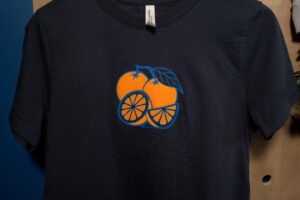
The “best” option includes a premium-quality T-shirt and additional decorating choices. Photo courtesy of STAHLS’
premium corporate apparel, and organizations looking to create something memorable.
The important point is that all three options solve the same problem. They simply solve it at different levels of investment.
Let Customers Experience the Different Decoration, Apparel Options
One mistake decorators often make is trying to explain premium products rather than demonstrating them. Customers don’t necessarily understand terms like “ring-spun cotton,” “soft hand” or “specialty transfer.” They do, however, understand how something feels. That’s why physical samples remain one of the most valuable selling tools available.
Place three shirts on the table and invite customers to pick them up. Let them compare fabric softness, garment weight, print texture and overall construction. Within seconds, they’ll begin identifying differences on their own.
When in-person meetings aren’t possible, invest in quality photography and realistic mockups that clearly communicate the details of each option. Lifestyle images, close-up decoration shots and detailed garment photography can help customers visualize value even when they can’t physically touch the product. The easier it is to see and feel the differences, the less likely the conversation becomes centered solely on price.
Changing the Sales Conversation
Many decorators begin client meetings with a familiar question: “What’s your budget?” While logical, the question often puts unnecessary pressure on customers. Many hesitate to answer honestly because they worry they’ll simply be quoted right up to their maximum number.
A more effective opening is surprisingly simple. Instead of asking for a budget, present three options and invite the customer to compare them. This approach immediately establishes you as an advisor instead of a salesperson. You’re not trying to sell the most expensive package—you’ve simply done the homework to provide several solutions. Customers appreciate having choices, especially when someone knowledgeable explains the benefits of each. The conversation becomes educational rather than transactional.
Successfully using this strategy requires thoughtful pricing. Your entry-level package, for example, should provide genuine value without becoming a “throwaway” option designed solely to make the others look better. If customers choose your Good package, it should still be a product you’re proud to deliver.
The Better option deserves careful attention because it’s likely to become your highest-volume seller. Price it to reflect both its additional value and the healthy margins that allow your business to grow.
The premium package serves two purposes. First, it gives customers who truly want the best an opportunity to purchase it. Second, it establishes a reference point that makes the middle option appear that much more attractive.
Avoid placing all three options too close together. Customers need enough separation to clearly recognize meaningful upgrades between each level.
Keeping Your Three Choices Manageable
Offering choices doesn’t mean overwhelming customers with endless possibilities. Three options are typically enough. Beyond that, decision fatigue begins to creep in, making customers less—not more—likely to purchase.
Equally important, each option should have obvious differences. If customers struggle to understand why one package costs more than another, the strategy loses much of its effectiveness. Every upgrade should answer a simple question: What additional value does the customer receive?
Whether it’s a softer garment, a premium decoration method, improved durability, or a more retail-inspired appearance, every price increase should have a clear benefit attached to it.
Perhaps the greatest strength of the Good, Better, Best strategy is that it isn’t limited to T-shirts. Once you’ve developed a presentation, pricing structure and sample kit, the framework can be replicated across virtually every category you sell. Hoodies, polos, hats, team uniforms, performance apparel, promotional products and even corporate gifts can all be presented using the same three-tier approach.
Over time, your sales process will become more consistent, your team will spend less time creating custom quotes from scratch and your customers will become accustomed to choosing between thoughtfully curated packages instead of negotiating over a single price.
Most importantly, your business will be able to compete on expertise rather than discounts. In today’s competitive apparel market, that’s a significant advantage.
Price will always matter. But customers are often willing to spend more when they understand what they’re getting in return. By replacing one quote with three well-designed choices, decorators create an experience that feels less like a sales pitch and more like professional guidance.
And in an industry built on helping customers bring ideas to life, that may be the most valuable product of all.
Nickolas Fatica is a videographer and decorated apparel expert with veteran custom transfer supplier STAHLS’ TXP Transfer Express (transferexpress.com) and heat-press manufacturer STAHLS’ Hotronix (hotronix.com).