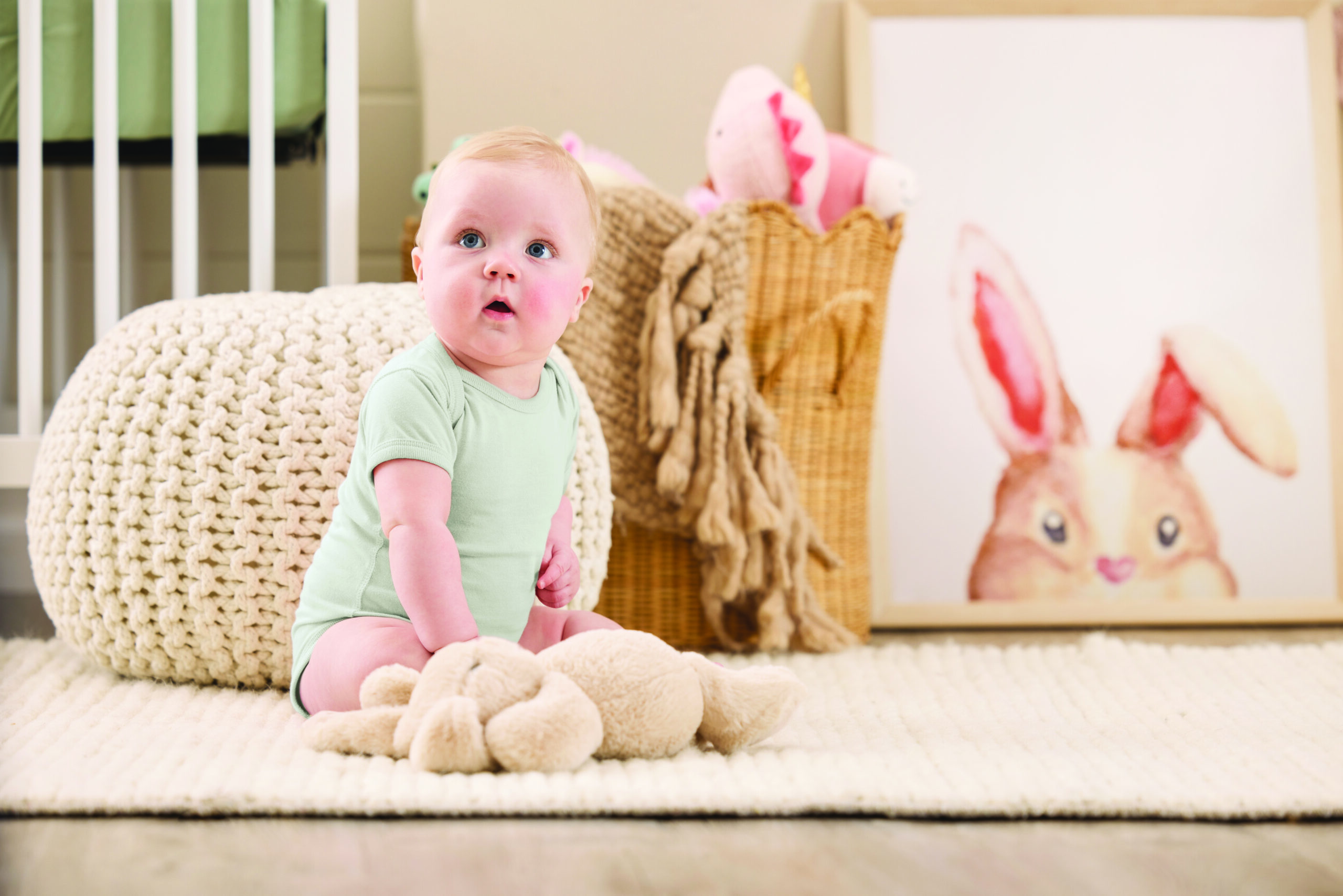
Today’s childrenswear trends are becoming increasingly retail-inspired and fashion-conscious, as style and self-expression grow in importance for toddlers through teens. Millennial and Gen Z parents also want kidswear for their Gen Alpha children to align with their own aesthetic.
“Kidswear is now an extension of a family’s lifestyle and visual brand, so it’s no longer purely functional,” says Amy Grammer, designer and stylist, Milliner’s Row.
In addition, the current trend isn’t so much about dressing kids like tiny adults—it’s about parents refusing to compromise on construction.
“The same shopper scrutinizing a seam or a fabric weight in their wardrobe expects that in their child’s,” says Peter Martinez, co-founder and fashion stylist/designer, Leather Skin Shop. “We’re seeing demand for structured silhouettes and considered detailing in sizes that used to get away with a cartoon print and an elastic waistband. The bar for quality has moved up an entire age bracket.”

Beyond that, social media platforms like Instagram, TikTok, YouTube Shorts, and Pinterest, along with gaming platforms like Roblox and even AI tools, are helping turn kids and teens into trendsetters—highlighting adult styles, child influencers, parent-child coordinated looks and the brands worn by celebrities and athletes.
“That’s why there’s a move away from generic, overly childlike styles toward looks that feel more curated, like what we associate with tastemakers or influencers,” says Sarah Seung-McFarland, a fashion psychology specialist and founder of the fashion consultancy Trulery. “That comes from how much exposure parents and children have to fashion imagery and influencers through social media.”
Fashion-forward kidswear may be gaining ground, but comfort still has the most heft in everyday wardrobes. “Durability and versatility matter just as much,” says Michael Niemann, vice president of product, Next Level Apparel. “Kids wear what feels good, but they also need apparel that can go from school to play to an event without needing to change.”
Why Comfort Is Driving Childrenswear Trends
“Families want apparel that feels exceptionally soft against a child’s skin while maintaining shape, color and quality through repeated washing and daily wear,” says Tami Miller, creative marketing director of Live & Tell/Rabbit Skins, LAT Apparel. “There’s a growing demand for fabrics with stretch and recovery that support active lifestyles.”
Martinez agrees, saying comfort is becoming the foundation for everything fashionable, not an afterthought. “It’s the simple expectation that a garment should feel good to wear all day,” Martinez says. “Sensory-friendly construction, tagless finishing, soft-hand fabrics and gender-neutral cuts that move between siblings and seasons are no longer niche.”
That said, parents aren’t looking for fabrics that are “new for the sake of new.” “Softness is still the entry point, but it has to hold up,” Niemann says.
With that in mind, buyers are gravitating toward combed ringspun cotton and cotton/poly blends that strike a balance between softness and durability. “Lightweight jersey constructions, like 24 singles, are especially popular because they’re breathable without feeling flimsy,” Niemann says.
In the printwear space, there’s also a growing expectation that fabrics work seamlessly with decoration methods. “A smooth, consistent surface is essential for DTG (direct-to-garment) and DTF (direct-to-film),” says Niemann, who notes that fabric innovation on the supplier side is about consistency, print performance and long-term wearability.
Childrenswear Colors Shift Toward Muted, Earthy Palettes
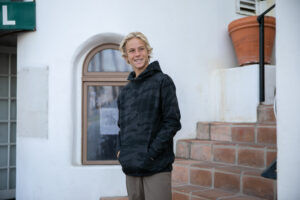
The 8.5 oz. Youth Midweight Pullover Hood (SS4001Y) delivers a retail-inspired look and feel with midweight fleece designed for comfort, durability and decoration. Photo courtesy of Independent Trading Co.
For the upcoming season, childrenswear will continue embracing softer colors and patterns. “Earthy neutrals, muted pastels, warm naturals and calming tones are trending,” Miller says. “We’re also seeing continued momentum around understated, mix-and-match color palettes on basics. Playful color remains important in infant and toddler categories.”
At Weary Theory, for example, those softer palettes have translated into top-performing colorways such as light blue, chocolate, soft pink, rainbow gingham and buttery yellow. “What’s almost completely dropped off our sales mix is primary-color brights,” says company founder, Steph Morrison. “The shift maps directly onto how parents under 40 are styling their own homes and wardrobes: muted, earthy and design-forward.”
We’re seeing huge demand for earth tones like sage, terracotta, and warm taupes, navy, khaki and muted blues,” agrees Ranu Coleman, head of marketing at PatPat, with respect to the colors on offer these days.
Along these same lines, one of Independent Trading Co.’s best-selling styles is the standard-fit Youth Hoodie. Over the last six months, the supplier added 10 more modern colors that brands want, such as Brown, Slate Blue, Sandstone and Bone. “We’ve also added four of our best-selling camo patterns like Duck Camo, Deadwood Tree Camo, Black Camo and Forest Camo,” Taylor Rambo, head of product development at Independent Trading Co., says.
“Constant visual noise is overwhelming so softer colors may feel grounding and emotionally regulating,” Seung-McFarland says, referring to the overstimulation all too many young people experience as a result of the screens and social media in their live. “Muted colors can feel more adult or sophisticated, which may appeal to parents who want childrenswear to feel stylish, rather than overly sweet.”
At the same time, suppliers aren’t simply following retail color trends for kidswear. “For us, it’s about offering a color assortment that works across retail, schools and customization,” Niemann says. “The goal is giving distributors, decorators and brands a palette that includes core colors they can build on year-round.”
Mini-Me and Gender-Neutral Styles Bring Adult Fashion to Kidswear
In terms of style and cut, many parents want kidswear that feels like it came straight from retail. “Consumer brands have set the bar, and the decorated apparel channel must meet it with styles that mirror what adults are wearing: scaled down, not ‘dumbed down,’” says Milissa Gibson, sales director, Lane Seven Apparel.
Morrison agrees, noting parents are often buying kids’ products that look like smaller versions of what’s in their own wardrobes—neutral palettes, sophisticated typography, less character-licensed branding and no obvious ‘kid-brand’ cues. “The matching-family or sibling sets piece is real but plays more on the accessories side than head-to-toe outfits,” she says. “Parents don’t want their kids to look like a kids’ brand dressed them. They want products that fit their broader aesthetic.”
Beyond that, the biggest adult trends influencing kids right now are elevated basics, athleisure that looks put-together, and capsule-style wardrobes. “Parents want their kids to look intentional, not like they’re wearing a costume version of adult clothes,” Coleman says.
In addition, parents aren’t necessarily looking for matchy-matchy kids’ versions of adult outfits. “It’s more about families wearing the same caliber of clothing: a parent and a kid in the same brand’s premium basics, not the same outfit,” says Jacquelyn Corbett, founder of mini mioche. “That’s quieter than the TikTok ‘twinning’ content suggests, but it’s the one with retention.”
By way of example, A.M. Custom Clothing often receives requests to match streetwear or trending adult looks to kidswear. “That includes oversized fits, acid washes and coordinated color palettes to match what parents are wearing themselves,” says Jess Anley, team leader. “A lot of families are looking for that ‘mini-me’ aesthetic for holidays and events.”
Relaxed Fits and Versatile Styles Reshape Youth Apparel
As for fit and silhouette trends in childrenswear, they are currently evolving toward comfort-driven, versatile styling that supports movement and everyday wear. “There’s a strong shift toward relaxed and slightly oversized fits, especially in tees, fleece and casual lifestyle pieces, as parents prioritize comfort, longevity of wear and ease of layering,” Miller says.
Those comfort-driven fits are also taking inspiration from broader retail and streetwear trends, proving that fashion-forward and durable aren’t a tradeoff. At wholesale, there are also a wide range of strong Y2K and streetwear influences, including big silhouettes, varsity looks, cargo styles and sporty graphics. Today’s trends also include joggers, easy-on crewnecks, hoodies and shackets. Adjustable details, such as longer cuffs, expandable waistbands and drawstrings, extend wear as kids grow.
By way of example, Corbett says comfy boxy crewnecks and French terry sweats in clean colors look modern making them a perfect fit for today’s shoppers. “The proportions are right, not because we’re chasing a graphic trend that will be over by next September,” she says. “Durability and modernity aren’t in conflict if you stop confusing ‘fashion-forward’ with ‘trend-disposable.’”
As for schools, teams and brands, these same style shifts also need to offer consistency and be wearable for everyday use. “They want reliable fits, dependable color and products that decorate well every time,” Niemann says. “What we’re seeing overall is a shift toward fewer, better basics. Buyers want pieces that can do more, last longer, and adapt to different uses.”
At the same time, offering kids opportunities for self-expression remains important. “Now more than ever, design, graphics, and custom placements are added to give children more choices to express their individuality,” Grammer says.
Durability Becomes a Key Selling Point in Kids Apparel
As noted earlier, suppliers are increasingly focused on creating childrenswear that delivers style along with long-term practicality. “A child’s garment lives a brutal life—it’s washed twice as often and worn twice as hard as anything an adult owns,” Martinez says. “The smart move is borrowing construction tricks from workwear and outerwear: reinforced stress points, flatlock seams that don’t chafe, and fabrics chosen for abrasion resistance first and aesthetics second. Durability has become a design feature, not a compromise you make against style.”
In addition, features such as side-seamed construction for better shape retention, reinforced binding and fabrics that retain color after repeated washing are priorities for buyers. “Details like tear-away labels are also more important than people realize,” Niemann says. “They make a big difference for comfort and rebranding.”
Ultimately, durability and printability also go hand in hand, so choosing the right blank for the use and imprint method matters. “If a shirt twists, shrinks or loses its surface quality, it impacts the decoration, so suppliers are focusing on building garments that hold up structurally and visually over time,” Niemann says.
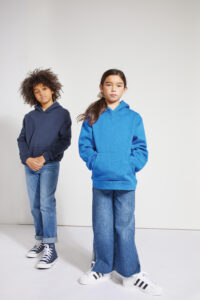
The Premium Youth Pullover Hoodie (LS14001YH) brings the brand’s popular adult fleece style to younger wearers. Photo courtesy of Lane Seven Apparel
Layering and Transitional Kidswear Extend Seasonal Wear
In terms of how today’s kidswear is actually worn, there’s a strong demand for layering pieces and transitional styles that work across multiple temperatures and occasions. “Families want apparel that delivers comfort, flexibility and longer seasonal wear, making lightweight fleece, long-sleeve tees and bodysuits a focus,” Miller says.
“A sweatshirt ticks all those boxes for a staple garment: soft, comfortable, breathable and warm,” Rambo agrees. “Sweatshirts continue to be fashionable, and we always add new colors and camo patterns to keep them fresh and relevant in youth styles.”
Of course, T-shirts are still the foundation for kidswear layering and simply wearing in general. “People want tees in that midweight range that can stand alone or layer easily under hoodies and jackets,” Niemann says. “For cooler seasons, it’s less about changing the fabric entirely and more about how you style and combine the pieces.”
Niemann adds this kind of versatility is especially important for schools, teams and brands that want to invest in products that work across multiple environments and climates.
DTF, DTG and Fashion-Forward Decoration Transform Kidswear
With respect to the customization side of the equation, decorators these days are experimenting across the board on kidswear. “The biggest macro trend is a shift toward fashion-forward, multi-sensory design that combines bold visuals, texture and creative placement,” Miller says. “The goal is to make kids’ apparel feel just as exciting and expressive as adult fashion.”
With this in mind, Niemann says he sees a mix of approaches. “Traditional center-chest graphics still dominate for schools and teams,” he says. “Oversized prints, back graphics and even subtle placements are becoming more common, particularly in retail-driven kidswear.”
At the same time, simplicity is still key, with clean graphics that translate well across different sizes and garments. “Designs need to scale from toddler to youth sizes without losing impact or readability,” Niemann emphasizes.
Meanwhile, soft-hand decoration continues to be popular in childrenswear, particularly in the infant and toddler categories, where comfort against the skin matters. “Because of this, decorators are looking for garments and print methods that maintain softness and flexibility without adding excessive weight or stiffness,” Miller says, noting that to maintain that soft feel, DTG and DTF continue to play a major role in kidswear decoration.
“These methods also allow for flexibility and micro-runs,” Niemann adds. “That’s important for schools, events and small brands.”
That said, traditional decorating methods remain staples. “Screen printing is very strong, particularly for larger orders,” Niemann says. “Embroidery continues to be relevant for more premium or uniform-driven applications.”
’90s and Y2K Nostalgia Influence Childrenswear Graphics
Since Millennial parents purchase their Gen Alpha kids’ clothing, it’s no surprise that kidswear designs draw heavily on ’90s and Y2K nostalgia. “Think bold graphics, retro colorways and nostalgic references, which tracks with what’s selling at retail,” Gibson says.
That said, the Y2K moment this time around is more refined. “Oversized prints and graphics are resonating because they feel less ‘kids’ and more like low-key streetwear,” Coleman says.
Licensed character prints like Disney and Marvel are also still trending. “However, they’re getting more sophisticated design treatments than in the past,” Coleman says.
Seung-McFarland says parents are drawn to styles that feel familiar, playful and emotionally recognizable. “This is why vintage-inspired childrenswear resonates so much right now,” she says. “I’m seeing quirky graphic socks with classic shoes, retro prints, youthful silhouettes and pieces that feel slightly imperfect or whimsical.”
Athletic wear also continues to have a huge influence because it translates so easily into childrenswear. “You get striped athletic socks, sporty shorts, sneakers and relaxed fits paired with softer or more playful styling elements, especially for girls,” Seung-McFarland says. “It’s a mix of sporty, nostalgic and curated all at once.”
Sustainable Childrenswear Becomes More About Longevity and Traceability
While price remains a factor, many buyers still prioritize organic cotton and natural fabrics for babies and children because they view sustainable apparel as a practical choice for sensitive skin. “There’s more awareness from parents and buyers,” Niemann says, “so they’re asking better questions about where materials come from, how garments are made, and what that really means for their kids.”
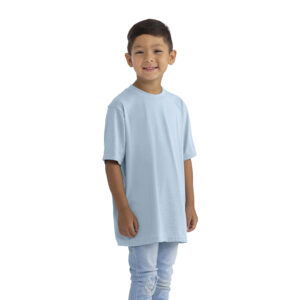
New for 2026, the Youth Ideal T-Shirt (1310) extends the brand’s popular 1810 adult style into youth sizing, giving decorators a soft, retail-inspired option for school, team and coordinated family programs. Photo courtesy of Next Level Apparel
Younger Millennial parents especially are also asking for eco-friendly and ethically produced goods. “Sustainability influences have many parents paying attention to the fabrics used, product longevity and pieces that can be passed down,” Grammer says.
Corbett adds many parents have moved past “is this organic cotton” to “where was it made, who made it and how long will it actually last.” “The traceability question used to be a niche request,” she says. “Now it’s table stakes. People want certifications. They want to see zero PFAS, AZO dyes, heavy metals or formaldehyde.”
At the same time, everyday purchasing decisions are still largely driven by price, softness, durability and ease of care. “While parents may like the idea of bamboo blends, traceability or more sustainable fabrics, childrenswear should for the most part be easy to care for, survive washings and play and be affordable,” Seung-McFarland says.
With this in mind, Rabbit Skins is also exploring new materials, such as bamboo blends, as it refines product development and sourcing. Similarly, Next Level Apparel recently became a member of the U.S. Cotton Trust Protocol, which gives it access to verified environmental data across the U.S. cotton supply chain. “That kind of transparency matters, especially as buyer expectations continue to evolve,” Niemann says.
The supplier is also working with partners such as Oritain, the Fair Labor Association and TrusTrace to enhance traceability and oversight in how its products are sourced and produced.
“Durability also plays a big role in this conversation,” Niemann says. “If a garment holds its shape, keeps its color, and continues to perform after repeated wear and washing, it naturally reduces the need for replacement. That’s something parents value.”
What Childrenswear Trends Mean for Apparel Decorators
For apparel decorators, the evolution of childrenswear creates opportunities that go well beyond traditional youth tees and school apparel. Buyers increasingly expect kidswear to combine retail-inspired styling, exceptional comfort and everyday durability with garments that decorate as reliably as their adult counterparts.
Whether the end product is destined for a school, team, lifestyle brand, family program or retail collection, the opportunity lies in choosing blanks that balance softness and construction with consistent print performance. Add in versatile fits, sophisticated colors and decoration that allows kids to express their individuality, and today’s childrenswear market gives decorators plenty of room to get creative.
Nicole Rollender is an award-winning writer and heads the copywriting and content-creation firm STRANDWritingServices.com.